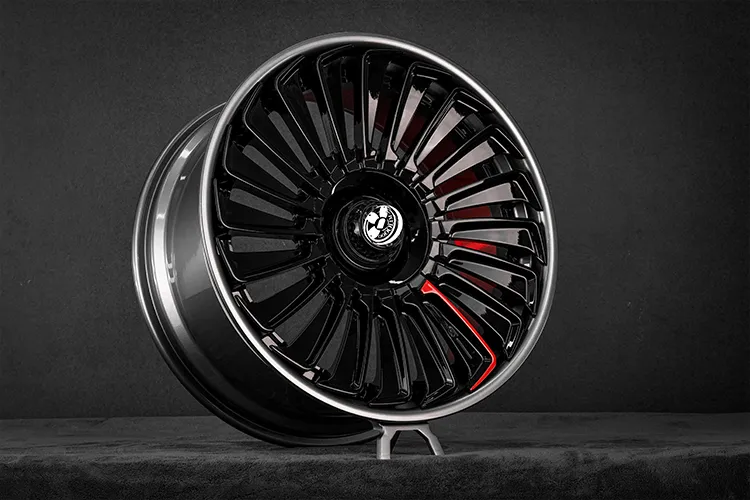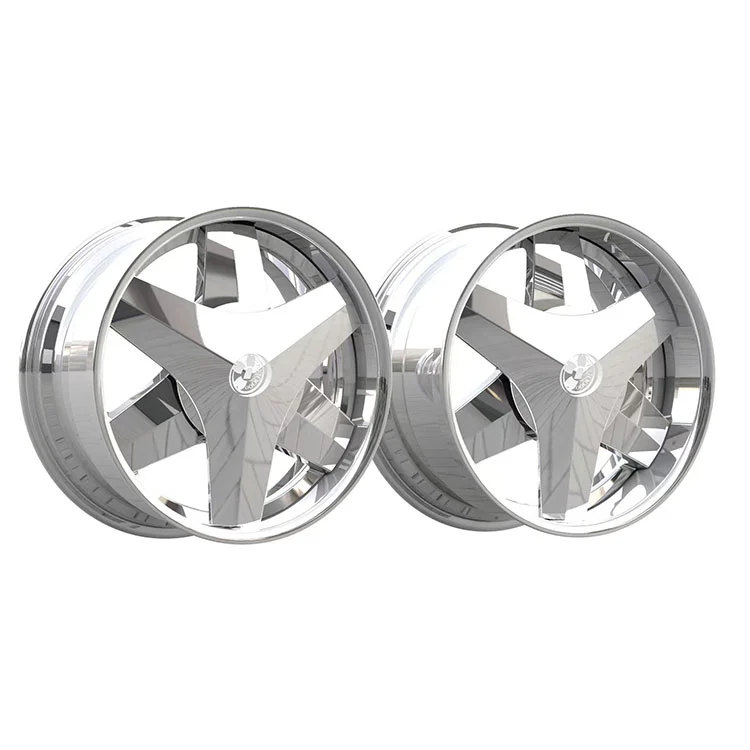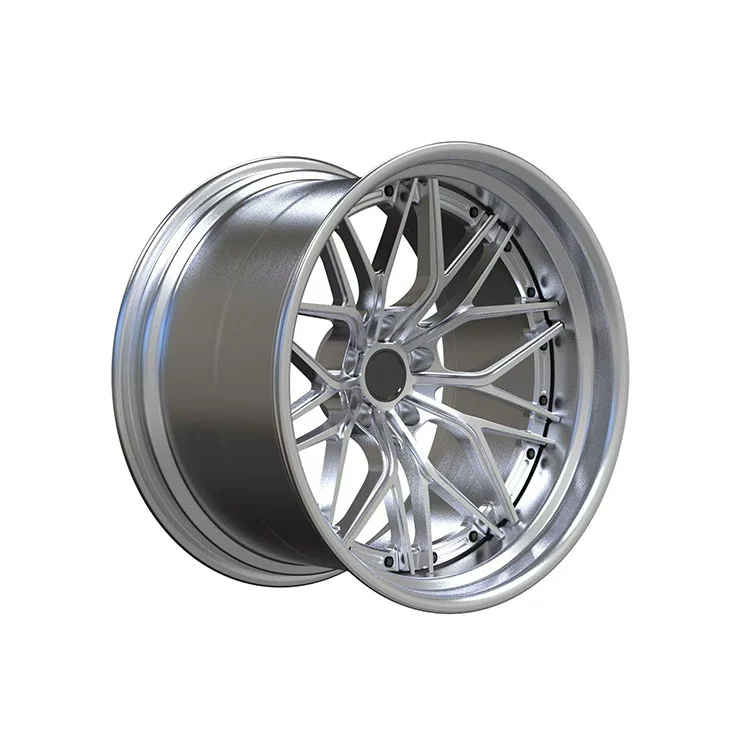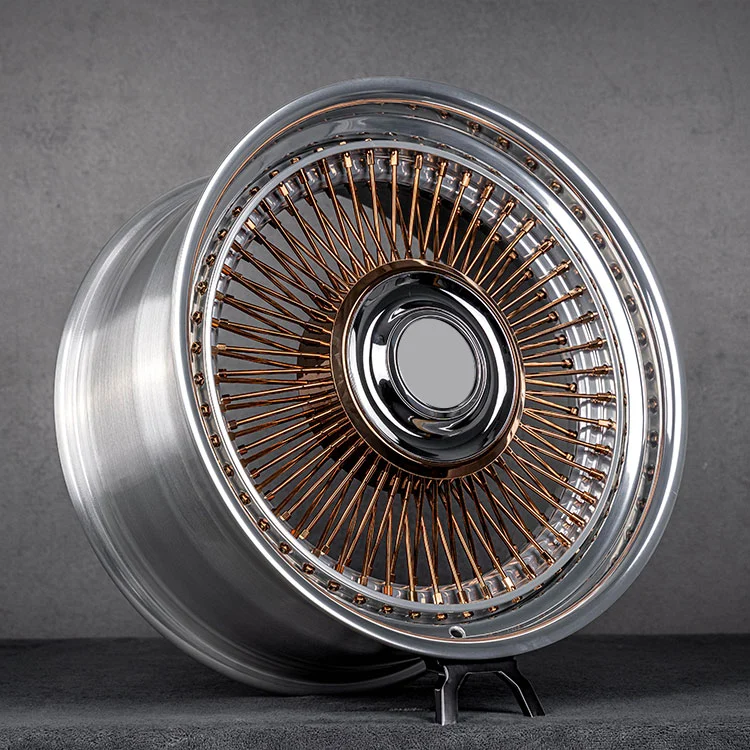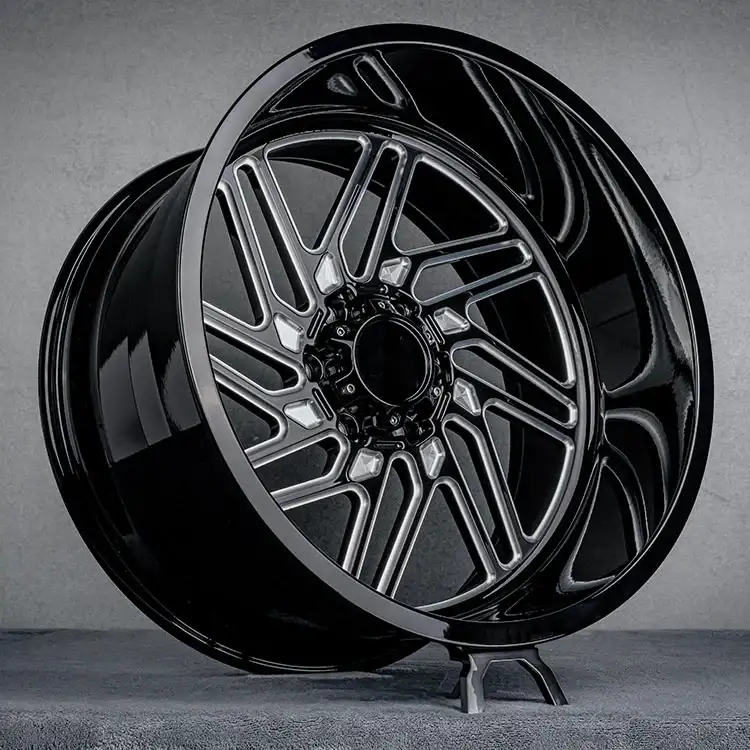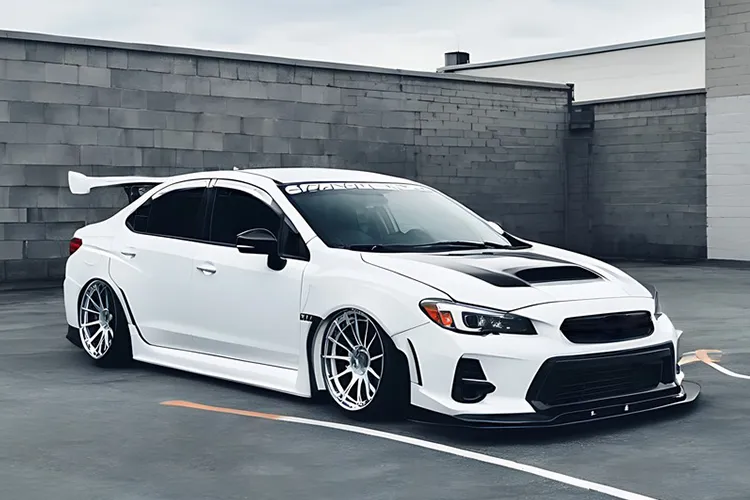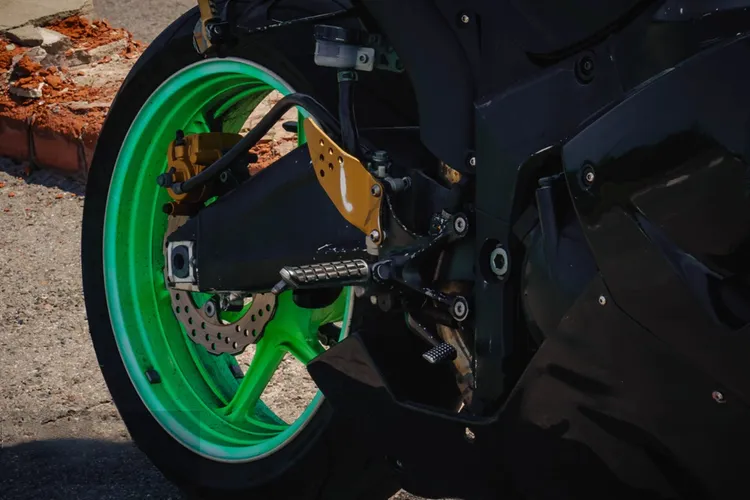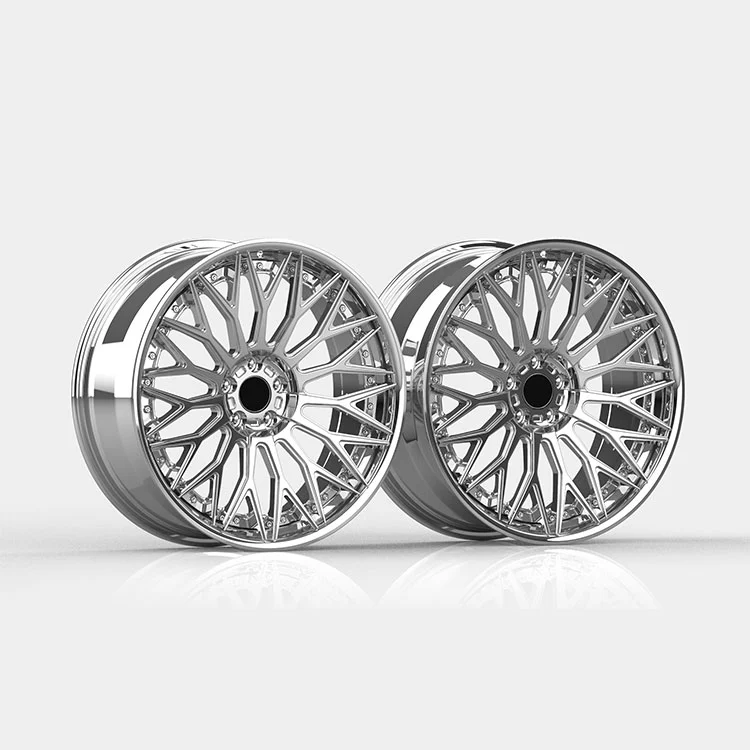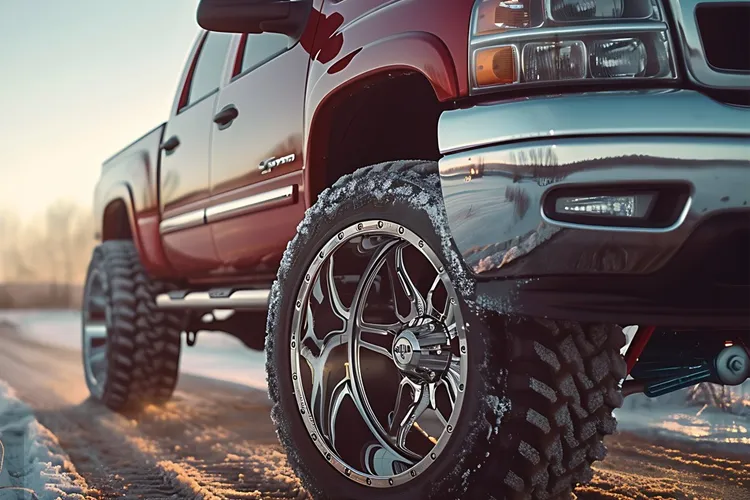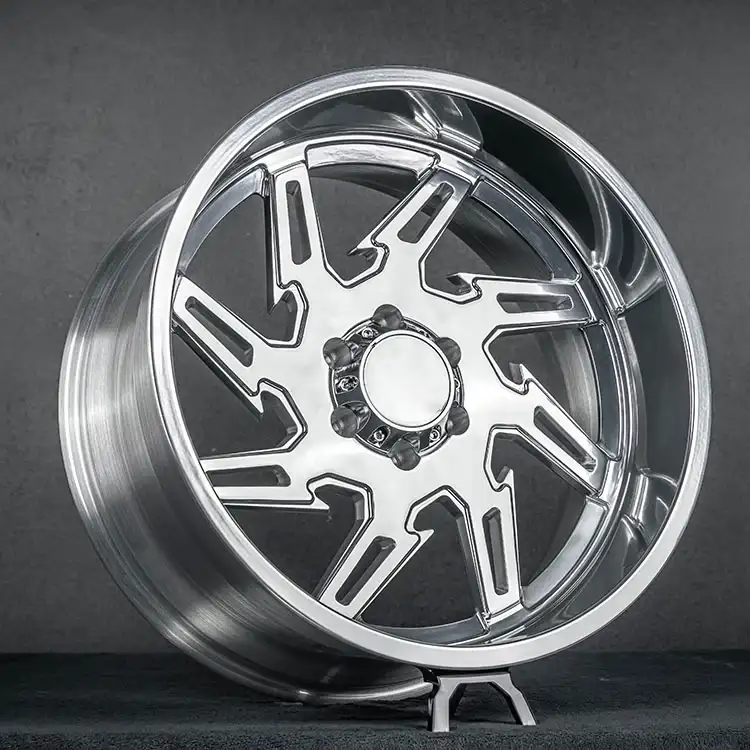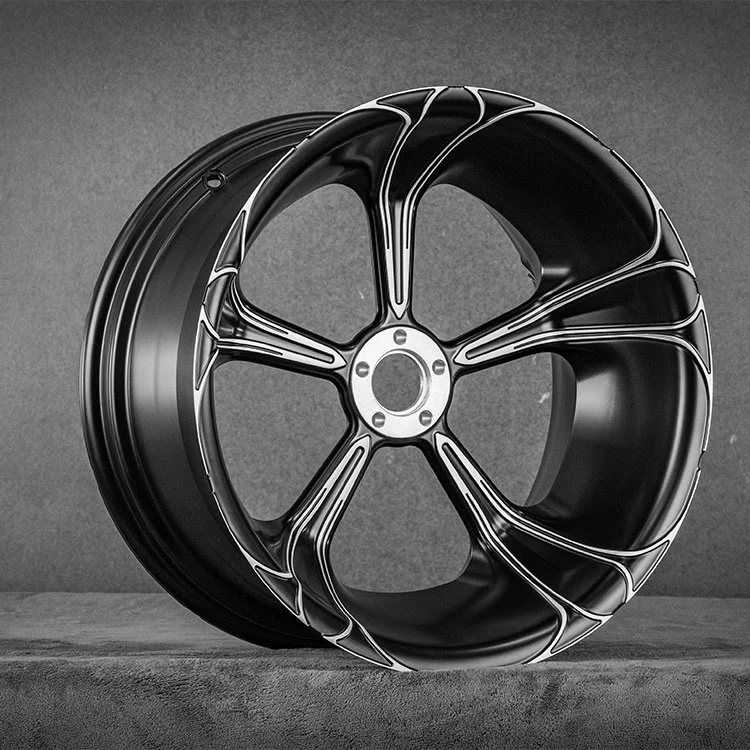
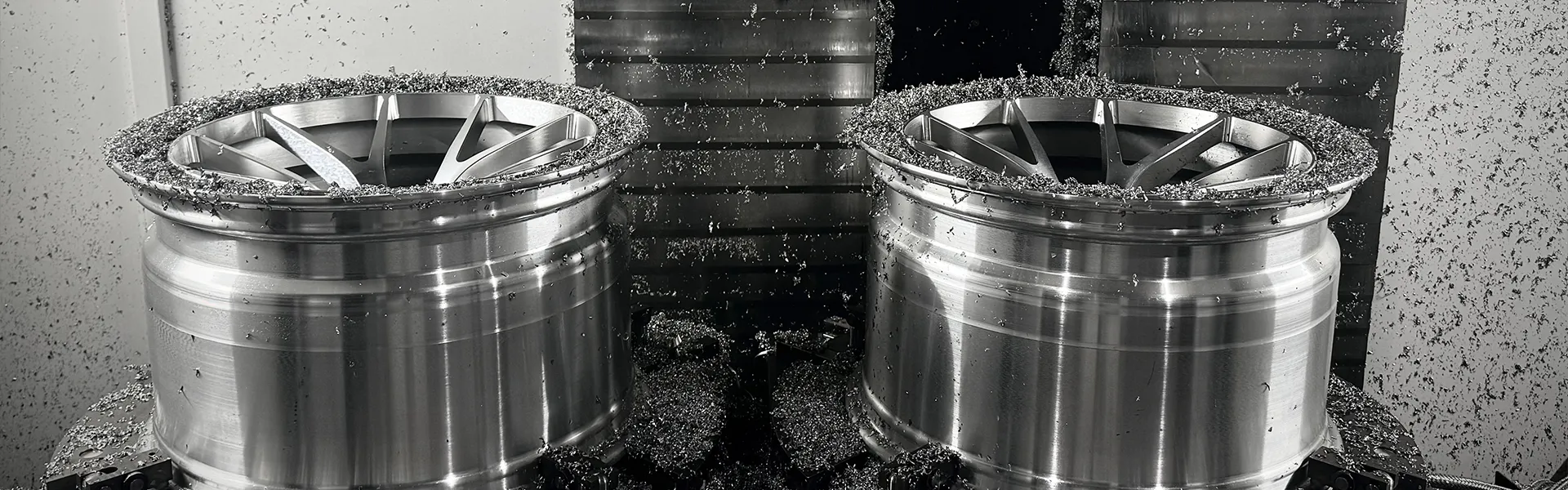
If you’re shopping for 2-Piece Forged Wheels, you’re probably not just chasing looks—you’re trying to solve real headaches: “Will they crack?”, “Will they fit my brakes?”, “Will I regret the offset?”, “Are they worth the money?” This guide is built to answer those questions in a practical, buyer-first way. Along the way, we’ll also share how Taizhou Yichi Technology Co., Ltd. approaches fitment, durability, and after-sales support so you can choose with confidence.
Abstract
2-Piece Forged Wheels are popular because they balance strength, weight, and customization without the “high-maintenance” reputation some multi-piece wheels get. This article breaks down how 2-piece construction works, what problems buyers usually run into, and how to verify load rating, brake clearance, and build quality before you pay. You’ll also get a supplier question checklist, a comparison table, and a clear FAQ so you can move from “interested” to “installed” with fewer risks.
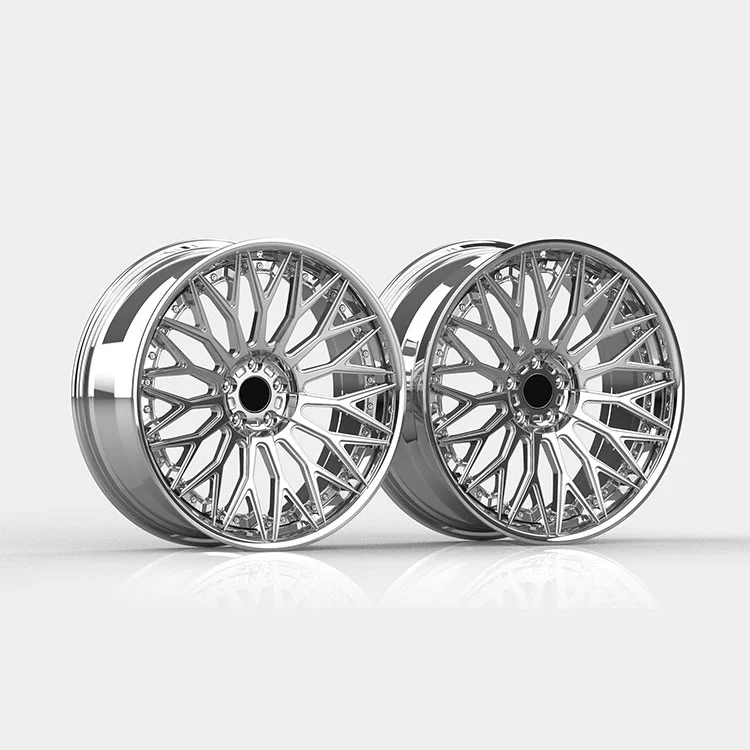
A “2-piece” wheel usually means the wheel is built from two main components that are joined together: (1) a forged center (the spoke/face section) and (2) a rim/barrel section. The exact joining method and the orientation can vary by design, but the core idea is the same—two major parts working as one.
The “forged” part matters because forging compresses metal under high pressure, creating a tighter grain structure than many alternatives. In real-world terms, buyers pursue 2-Piece Forged Wheels because they want:
One big myth: “multi-piece equals fragile.” Not necessarily. Problems typically come from poor engineering choices, low-quality hardware, incorrect assembly torque, or mismatched use cases. When the design, material, and assembly are right, 2-Piece Forged Wheels can be a strong and stable upgrade.
Most disappointment doesn’t come from the wheel being “bad.” It comes from the wheel being wrong for the car, the tires, or the owner’s goals. Here are the pain points we see most—and how to dodge them quickly.
A helpful mindset: treat wheels like safety components, not just style accessories. That’s where well-built 2-Piece Forged Wheels shine—they’re engineered to handle real forces, not just look pretty in photos.
Fitment is where most wheel purchases succeed or fail. If you only do one thing before ordering, do this: confirm five critical specs and document them in writing.
The 5 must-confirm specs
Now add the two “silent killers” that cause last-minute surprises:
Practical tip: If you’re upgrading width, don’t guess the tire. A tire that’s too wide can rub at compression; too narrow can look stretched, reduce rim protection, and change handling feel. A good supplier will discuss intended tire sizes, driving style, and suspension status (stock vs lowered vs air suspension) before recommending a final spec.
This table helps you explain the price difference to yourself (or whoever’s judging your cart checkout). It’s not about “good vs bad”— it’s about choosing the right trade-offs.
| Wheel Type | Strength Potential | Weight Potential | Customization | Best For |
|---|---|---|---|---|
| 2-Piece Forged Wheels | High when engineered and assembled correctly | Often very competitive | High (finish/design options) | Performance + daily use + custom fitment needs |
| One-Piece Cast | Moderate (varies widely) | Usually heavier for the same strength target | Low to moderate | Budget upgrades, normal commuting |
| Flow-Formed / Rotary Forged | Moderate to high | Often lighter than cast | Moderate | Strong value option for spirited driving |
| 3-Piece (various constructions) | High potential, depends on design and assembly | Can be excellent, cost rises | Very high | Show builds, extreme custom offsets, niche needs |
Wheels live a hard life: brake dust, heat cycles, road salt, pressure washing, stone chips, and careless tire shops. Your finish choice isn’t just “color”—it’s a durability decision.
If you drive in winter conditions, don’t be shy: ask what the coating system is designed to resist, and what cleaning products are safe. A thoughtful supplier will give you straightforward care guidance—because the best finish is the one that still looks good after real life.
Ownership satisfaction is heavily influenced by installation quality. Even premium wheels can feel “wrong” if they’re installed without care. Here’s a practical checklist that keeps 2-Piece Forged Wheels running smooth.
Tip for long-term peace: keep documentation of specs, torque settings, and the exact tire model/size you installed. If you ever change suspension or sell the vehicle, that record becomes surprisingly valuable.
Custom is fun until it becomes expensive to fix. The goal is to customize what you can enjoy daily, not what you’ll panic about every pothole. With 2-Piece Forged Wheels, customization often includes spoke designs, finishes, and sometimes barrel options that influence fitment.
Smart customization rules
A good supplier won’t just say “yes” to everything. They’ll flag risky combinations and suggest safer alternatives that still achieve your visual goal. That’s how you end up loving the wheels on day 300, not just day 3.
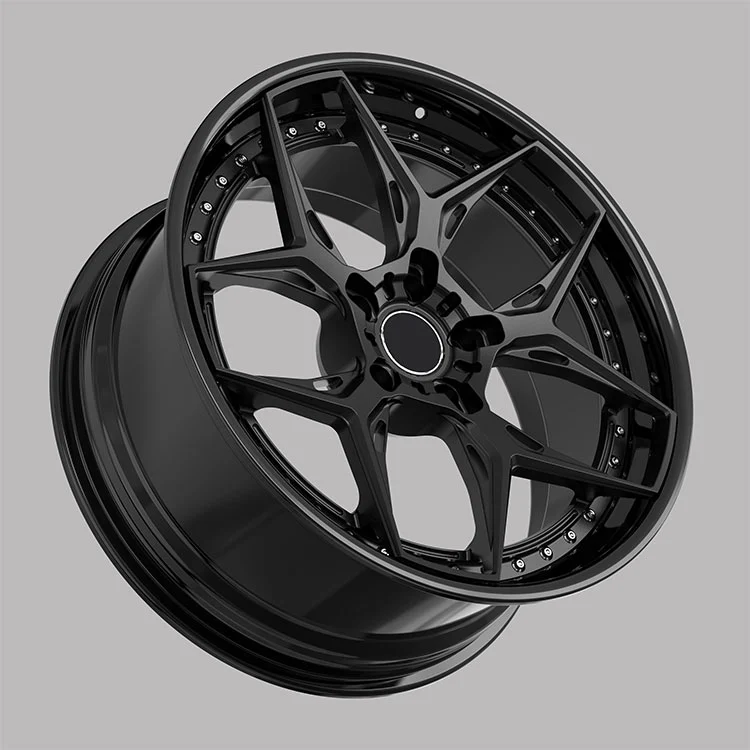
This is where confident buyers separate themselves from stressed buyers. When you ask the right questions, you’re not being “difficult”— you’re protecting your budget and your safety.
| Question | Why It Matters | What a Good Answer Looks Like |
|---|---|---|
| What is the load rating per wheel? | Prevents under-spec choices for heavy vehicles or tough roads | Clear numeric rating, aligned to your vehicle weight and use |
| How do you confirm brake clearance? | Avoids expensive returns and unsafe contact | Template process or drawing-based confirmation |
| What material and heat treatment are used? | Influences strength, fatigue resistance, and longevity | Specific alloy/process explanation, not vague marketing words |
| What quality checks are done before shipping? | Reduces runout issues, finish defects, and imbalance surprises | Documented inspections, runout checks, packaging standards |
| What warranty and after-sales support do you provide? | Protects your investment if something goes wrong | Clear terms, response timeline, and support contact |
At Taizhou Yichi Technology Co., Ltd., the goal is to make the buying process feel engineered, not improvised—meaning fitment details, intended use, and finish expectations are clarified up front so your 2-Piece Forged Wheels arrive ready for real-world driving.
Q: Are 2-piece wheels safe for daily driving?
A: Yes—when properly engineered, assembled, and installed. Daily safety depends on correct fitment, appropriate load rating,
and following torque/re-torque practices during installation and early use.
Q: Do 2-piece wheels require a lot of maintenance?
A: Not necessarily. Basic care is similar to other premium wheels: regular cleaning, avoiding harsh chemicals that can damage finishes,
and periodic inspection. If your design uses visible hardware, occasional checks add peace of mind.
Q: How do I avoid rubbing when upgrading to wider wheels?
A: Confirm width, offset, tire size, and your suspension setup together—not separately. If you’re lowered or running aggressive tire sizes,
ask for a fitment drawing or a clearance confirmation step before production.
Q: What matters more—wheel weight or wheel strength?
A: It depends on your goals. For performance handling, lower rotating mass helps. For rough roads, heavy vehicles, or spirited driving,
strength and fatigue resistance are non-negotiable. The sweet spot is choosing a wheel engineered for both, not maximizing only one metric.
Q: Can I use my existing TPMS and lug nuts?
A: Often yes, but not always. TPMS compatibility and lug hardware depend on the wheel’s valve setup and seat type.
Confirm these details before ordering to avoid last-minute installation issues.
Q: What should I send a supplier to confirm fitment?
A: Vehicle make/model/year/trim, brake kit details (if upgraded), current wheel/tire specs, target wheel specs, suspension status,
and your driving goals (daily, performance, off-road, show build). The more precise you are, the fewer surprises you’ll face.
The best 2-Piece Forged Wheels purchase feels boring—in a good way. No rubbing. No brake surprises. No finish regret. Just a wheel that fits, performs, and holds up under real driving. If you want a recommendation based on your vehicle and goals, share your current wheel/tire specs and what you’re aiming for, and we’ll map out a safe fitment direction.
Ready to upgrade with fewer risks and better long-term value? Tell Taizhou Yichi Technology Co., Ltd. your vehicle details and target setup, and contact us for a tailored wheel specification and finish suggestion that matches your roads, your style, and your budget.