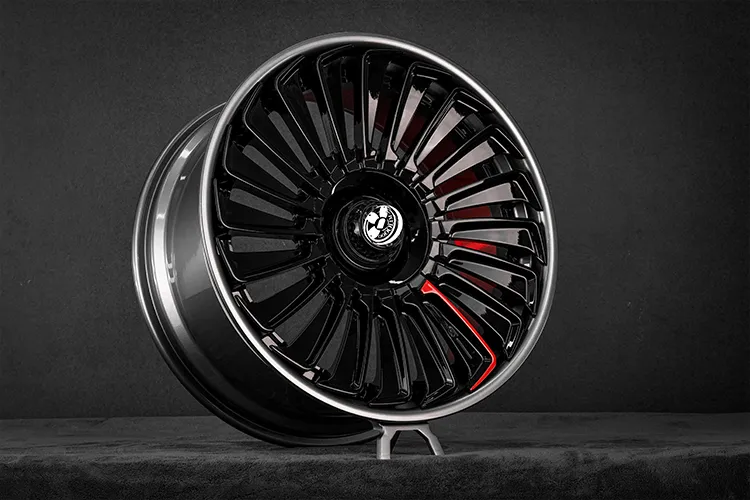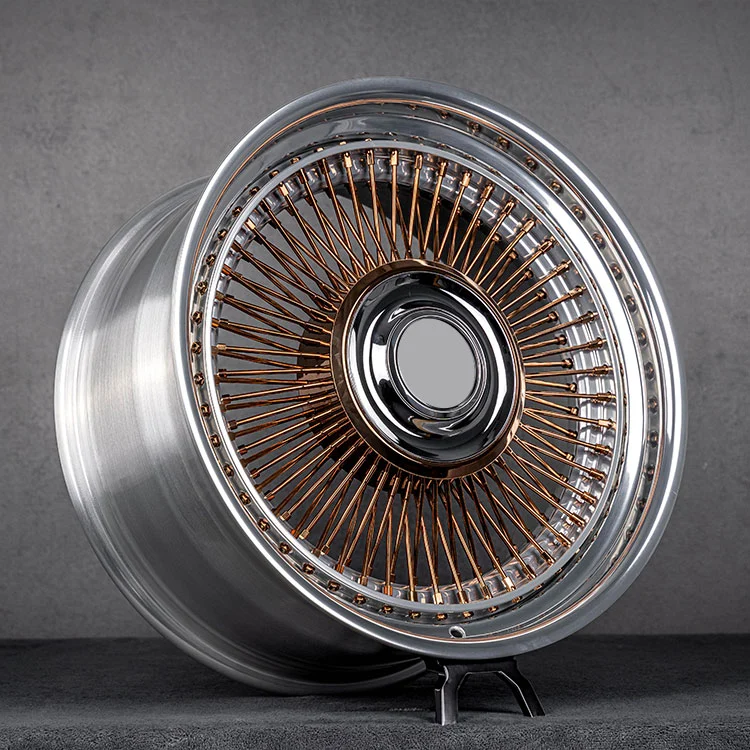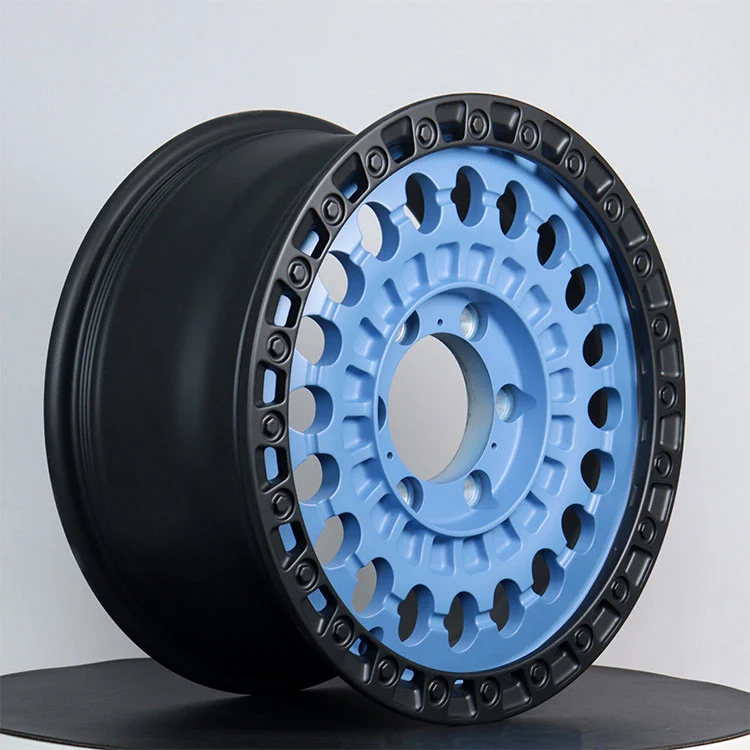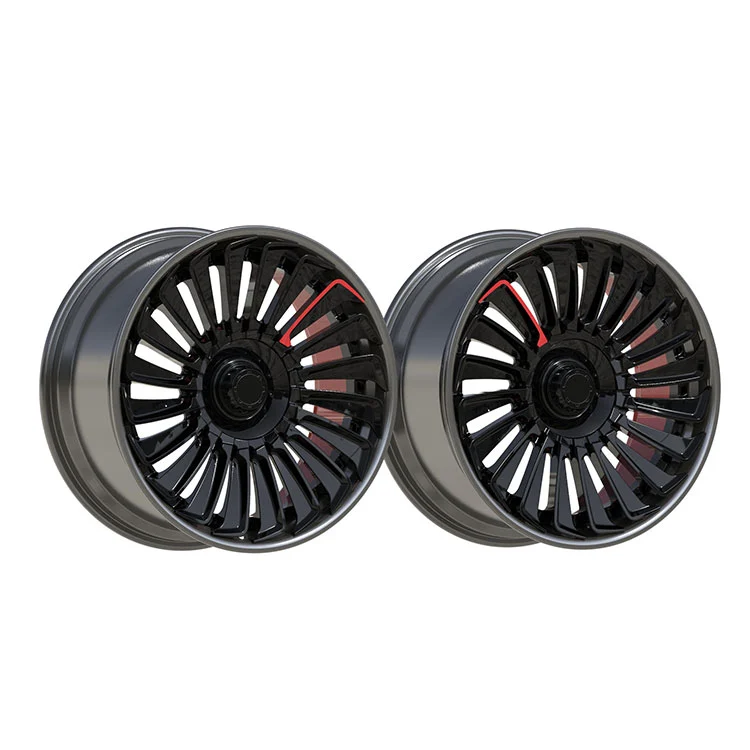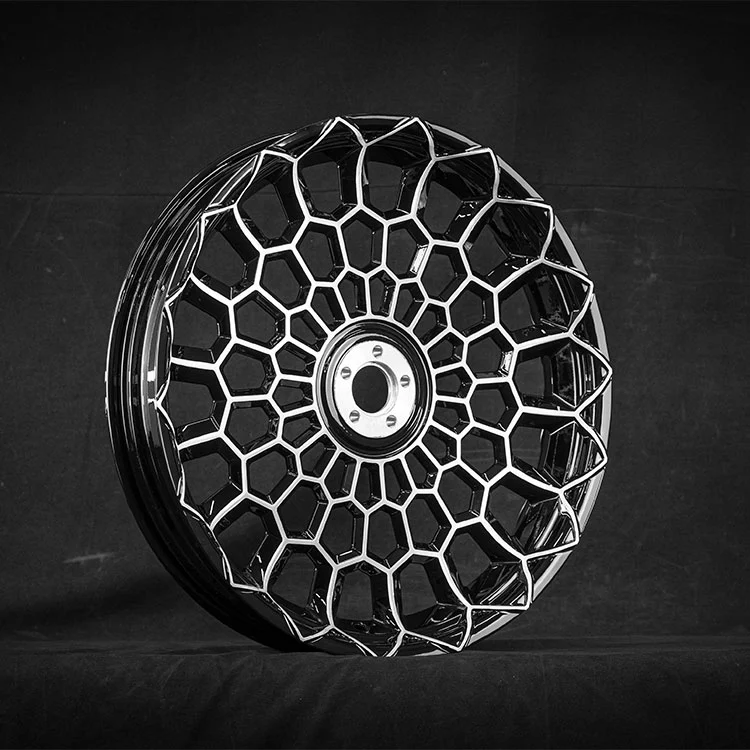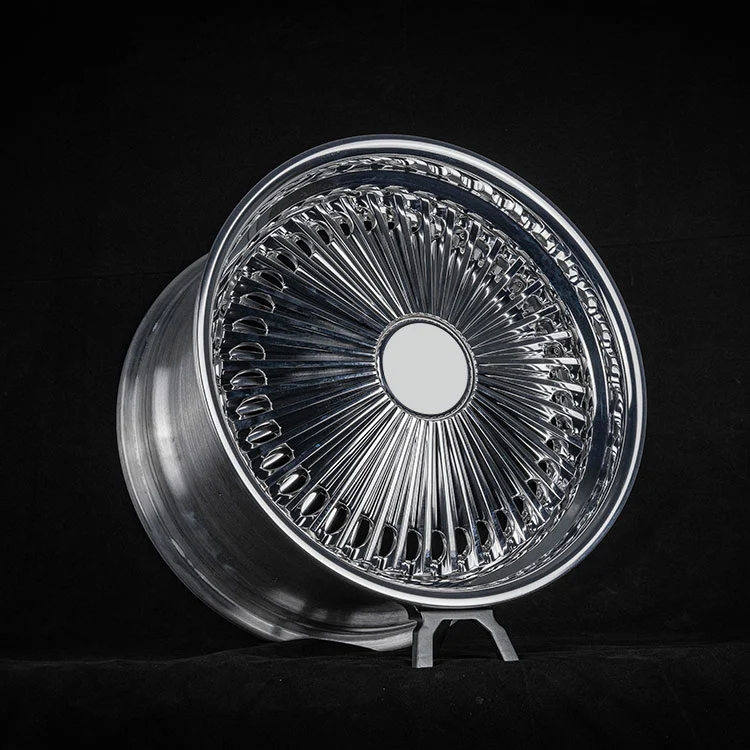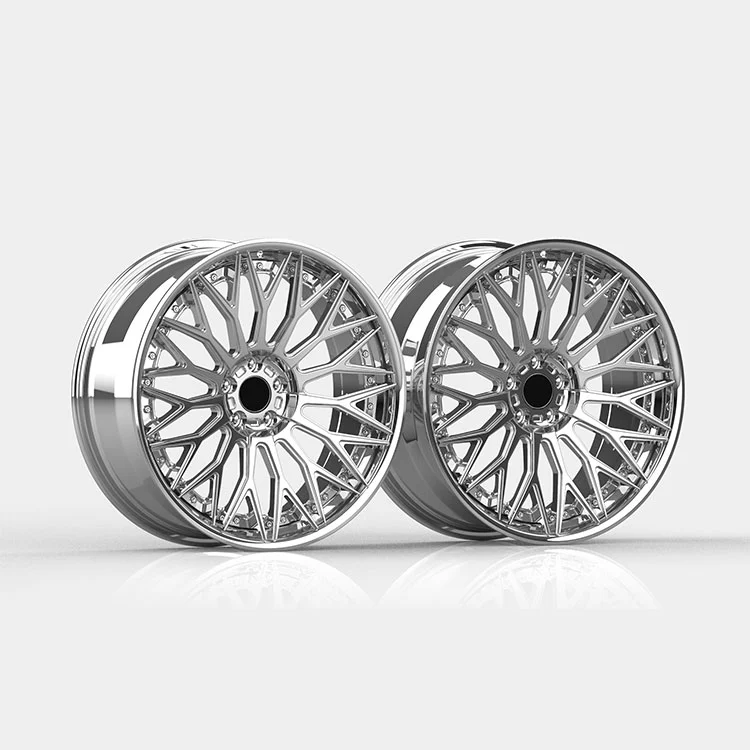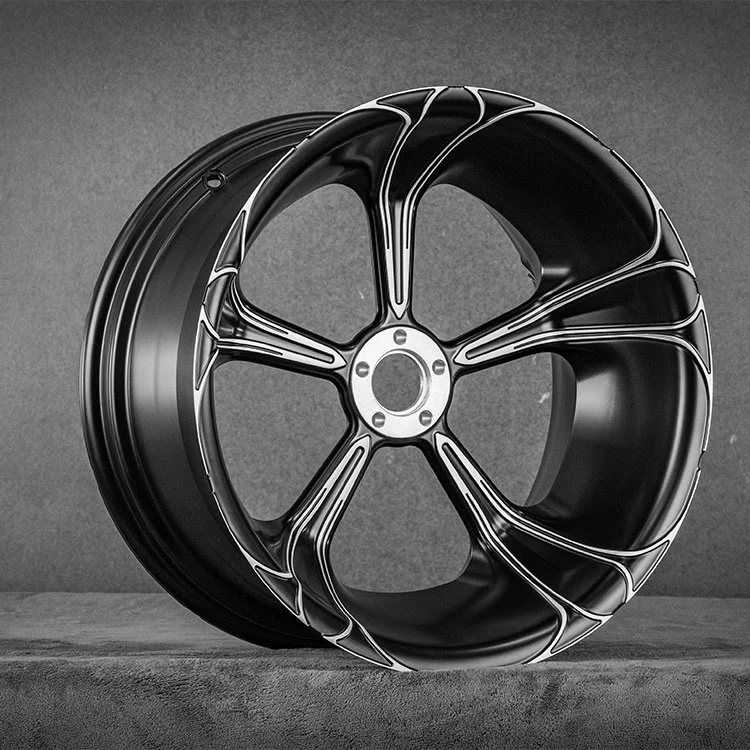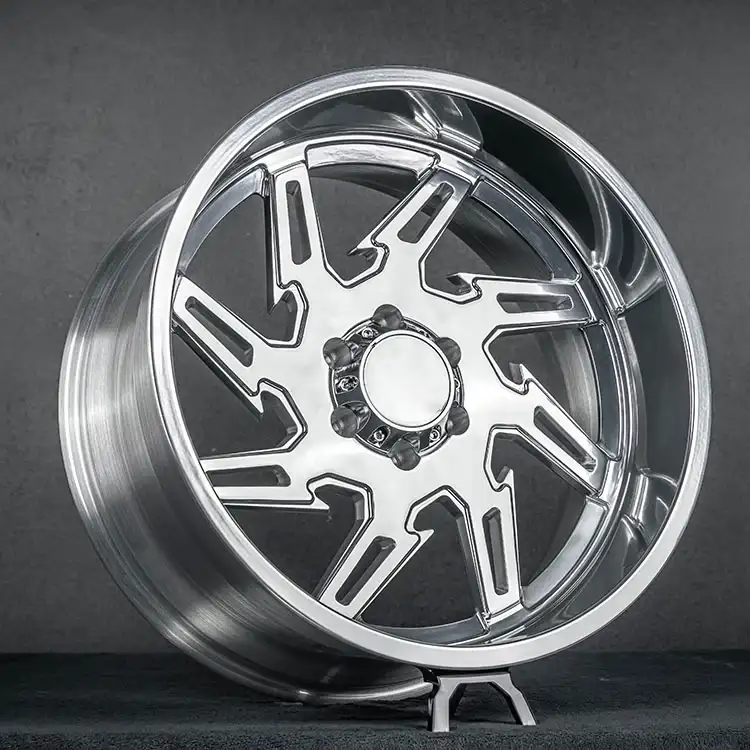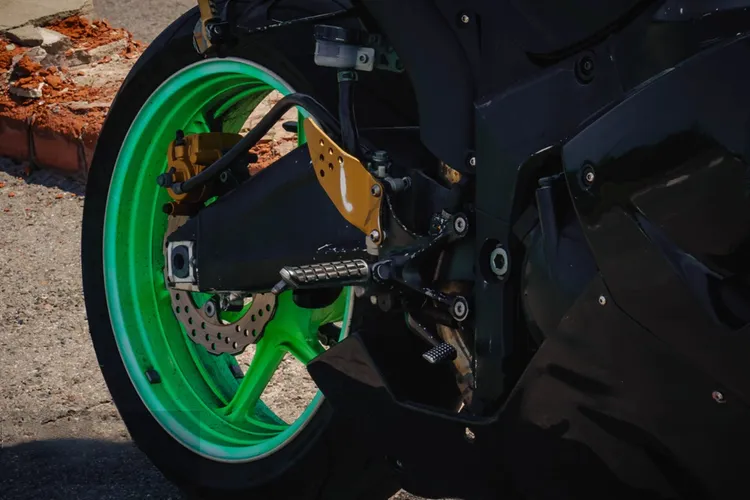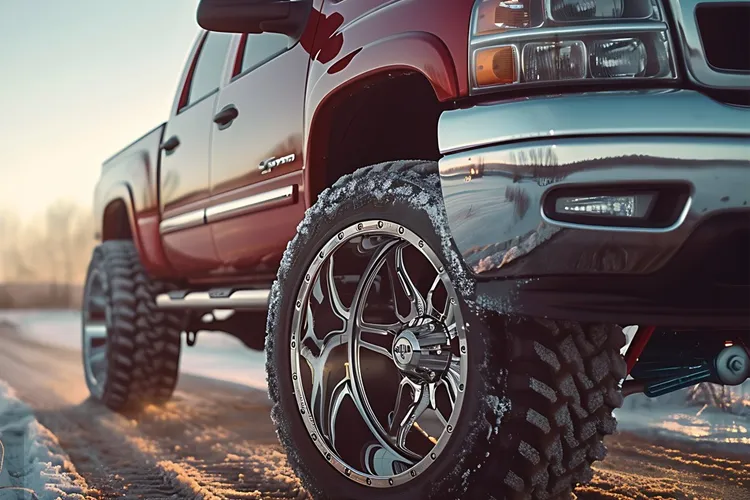
Aftermarket wheels can transform how a car looks and feels—but they can also create headaches if sizing, strength, offsets, or load ratings are misunderstood. This guide breaks down what actually matters when buying wheels, how to avoid fitment regrets, what different manufacturing methods mean in real life, and how to choose a setup that’s safe, durable, and worth the money.
“Aftermarket wheels” simply means wheels that didn’t come from the vehicle’s original factory package. People usually upgrade for one (or more) of these reasons:
Here’s the truth: wheels are not “just cosmetic.” They affect comfort, safety, tire wear, and even whether your car rubs every time you turn into a parking lot. The best aftermarket wheels solve a problem you actually have—without creating three new ones.
Pain point 1: “They look perfect… but they don’t fit.”
This is usually offset, center bore, or brake clearance. Photos don’t show inner barrel shape or hub details.
Pain point 2: Vibration at speed after installation.
Often caused by improper centering (hub-centric vs lug-centric), missing hub rings, poor balancing, or damaged tires.
Pain point 3: Cracks, bends, or finish issues too soon.
This can come from choosing the wrong wheel for road conditions, buying unknown-quality products, or ignoring load ratings.
Pain point 4: Surprise costs.
New wheels may require new tires, TPMS considerations, lug nuts/bolts, hub rings, spacers, or alignment.
If you’ve ever felt overwhelmed shopping for wheels, it’s not you being “non-technical.” The wheel world is full of half-explained specs and marketing shortcuts. Let’s make it straightforward.
When people say “fitment,” they usually mean four things. Get these right and you avoid 80% of regrets:
A quick mindset that saves money
Don’t start with “What size looks cool?” Start with “What problem am I solving?” If you want more grip, focus on width + tire selection. If you want a cleaner stance, focus on offset + fender clearance. If you want brake clearance, focus on spoke design + inner barrel shape.
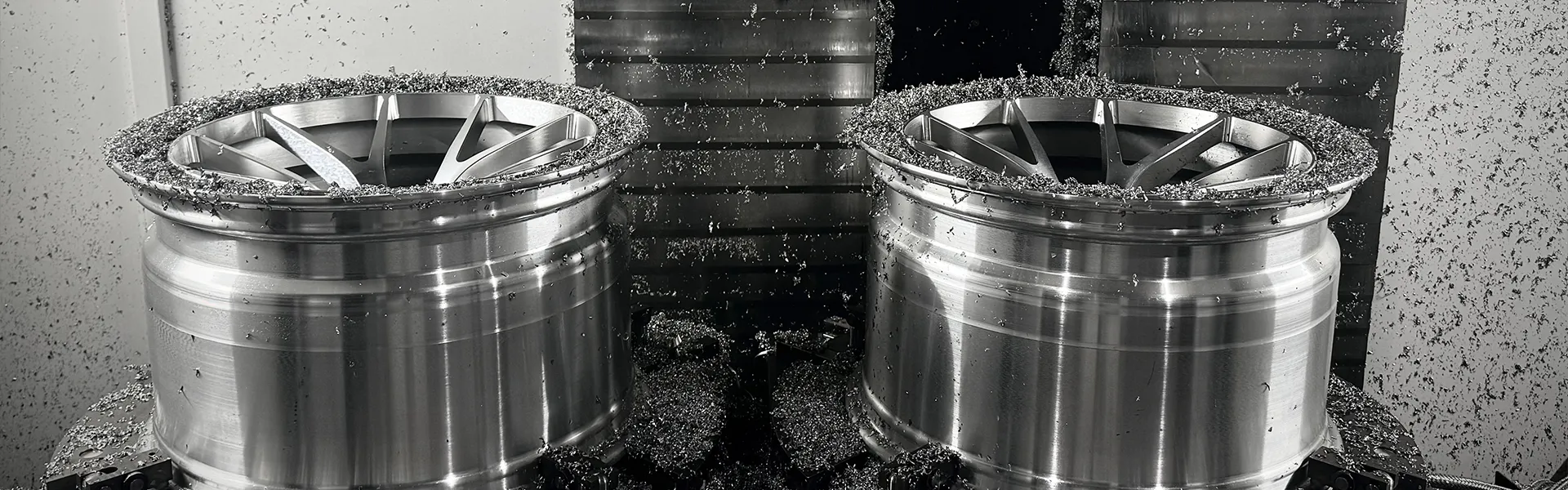
The manufacturing process influences strength-to-weight, impact resistance, and consistency. You’ll often see these categories:
Important nuance: “forged” is not a magic spell. Engineering design, heat treatment, testing standards, and quality control matter. A well-made wheel from a responsible manufacturer beats a hyped product with vague specs every time.
| Type | Typical strengths | Typical trade-offs | Best for |
|---|---|---|---|
| Cast | Affordable, many designs, widely available | Can be heavier; quality varies more across the market | Budget builds, daily driving (with reputable QC) |
| Flow formed | Often better barrel strength, often reduced weight vs basic cast | Not the lightest possible; pricing can vary | Value performance, spirited driving, mixed road quality |
| Forged | High strength-to-weight potential, premium consistency when tested and engineered well | Higher upfront cost; lead times may be longer for certain specs | Performance builds, premium daily, track-focused setups |
Before you click “buy,” run through this list. It’s designed to prevent the most common wheel-shopping disasters.
A quick note on “stance” and comfort
Aggressive fitment can look incredible, but it may require stiffer suspension, more alignment compromise, and more frequent tire replacement. If this is your daily driver, you want a setup you can live with on your worst road day—not just your best photo day.

Wheels live a hard life: brake dust, heat cycles, road salt, debris, and impact loads. A few habits keep them looking good and performing safely:
A wheel is a safety-critical component. Beyond looks, you want consistency, clear specifications, and responsive support when you have a fitment question. That’s why working with an established manufacturer matters—especially if you’re looking at premium setups or custom-fit applications.
Taizhou Yichi Technology Co., Ltd. focuses on aftermarket wheel solutions designed for enthusiasts who want a balance of aesthetics and real-world durability. If you’re comparing options and want to reduce risk, having a team that can discuss fitment, finishes, and intended use can save you from costly trial-and-error.
Q: Will aftermarket wheels void my car warranty?
A: Typically, a general vehicle warranty isn’t automatically voided just because you changed wheels. However, damage directly caused by incorrect fitment or improper installation may not be covered. Keep your install records and choose specs that make sense.
Q: Do I need hub-centric rings?
A: If the wheel’s center bore is larger than your hub, hub-centric rings can help ensure proper centering and reduce vibration risk. If the bore matches perfectly, rings are not needed.
Q: What causes rubbing after switching wheels?
A: Usually offset, width, tire size, or suspension height changes. Rubbing can happen during steering, compression, or both. The solution might be a different offset, a narrower tire, minor trimming, or a more conservative setup.
Q: Are bigger wheels always better?
A: Not always. Bigger diameter can improve brake clearance and change aesthetics, but it often reduces tire sidewall, which can hurt ride comfort and increase pothole risk. The “best” size is the one that fits your goals and roads.
Q: What should I prioritize if I’m on a budget?
A: Prioritize correct fitment, load rating, and reputable manufacturing. A modest, well-chosen setup will feel better and last longer than a “flashy” setup that rubs, vibrates, or chips easily.
Q: What information should I prepare before asking for a wheel recommendation?
A: Your vehicle year/make/model/trim, current wheel and tire specs, suspension changes (if any), your goal (daily comfort vs aggressive stance vs performance), and any brake upgrades. With that, a supplier can give far more accurate guidance.
If you’re shopping for aftermarket wheels, the “best” choice is the one that fits your car, your roads, and your priorities—without surprise compromises. If you want help narrowing specs, comparing finishes, or confirming a fitment plan, don’t guess.
Reach out to Taizhou Yichi Technology Co., Ltd. and contact us with your vehicle details—then we’ll help you move from “I hope this works” to “I know this fits.”