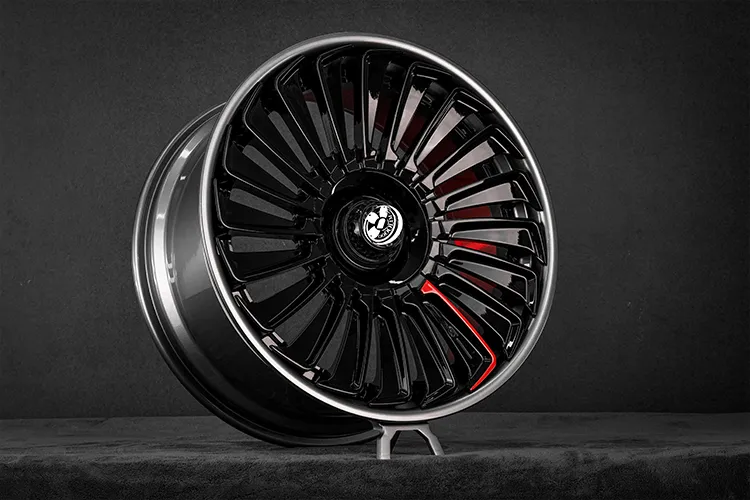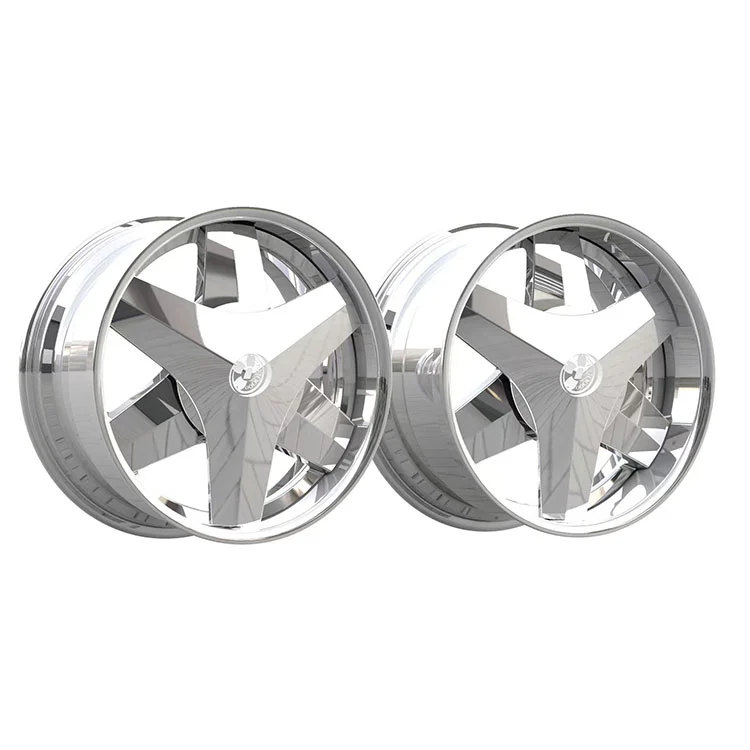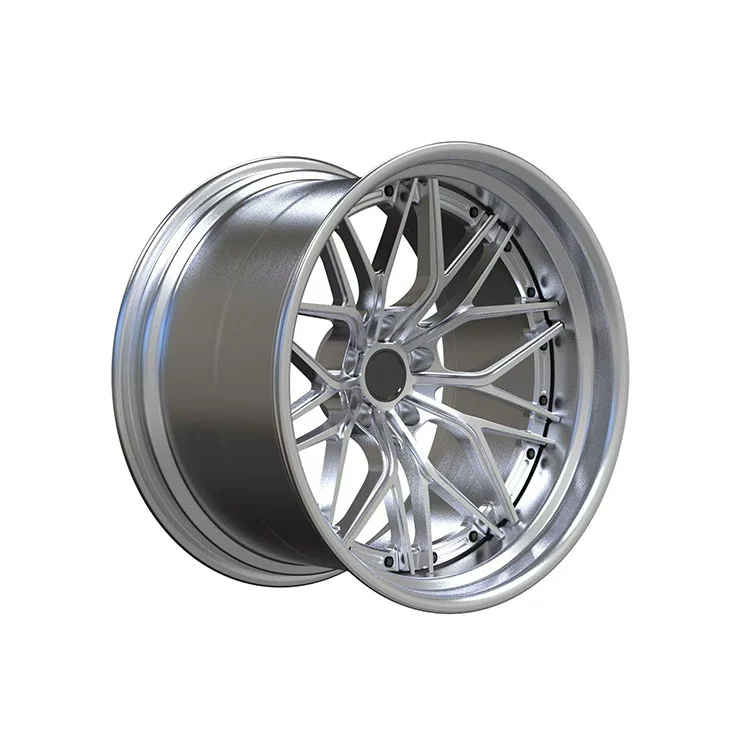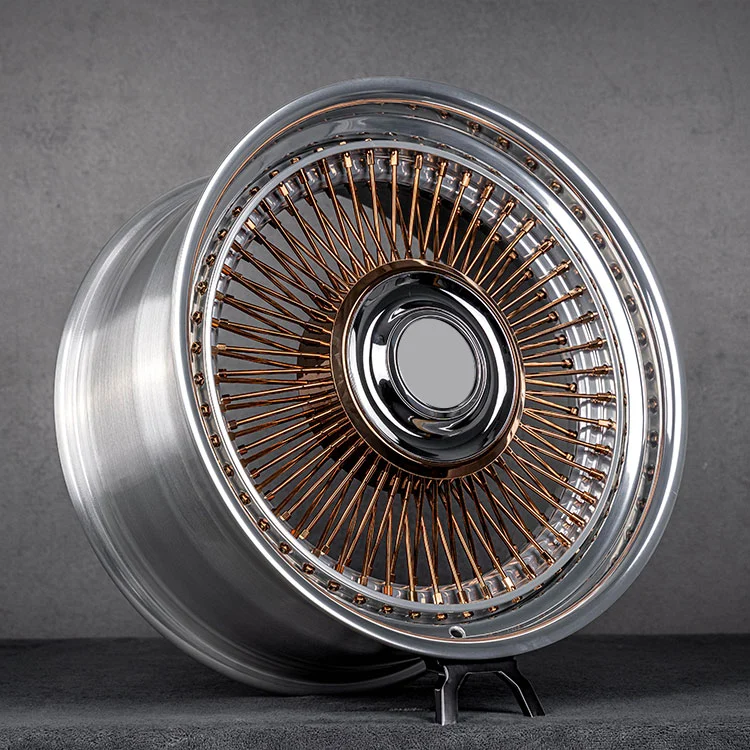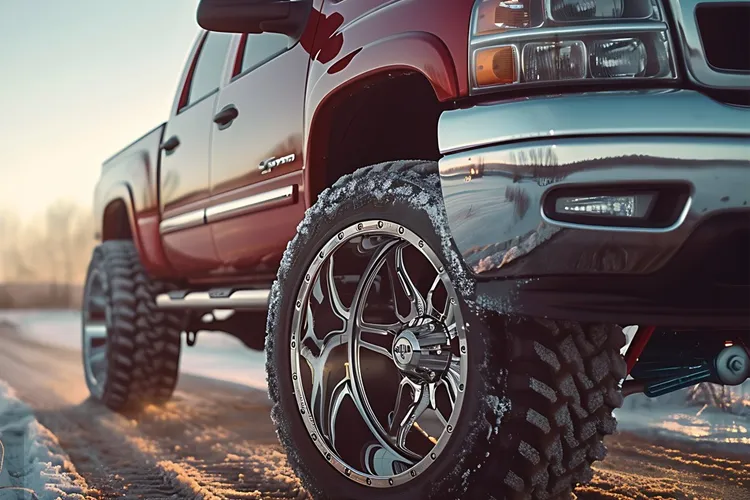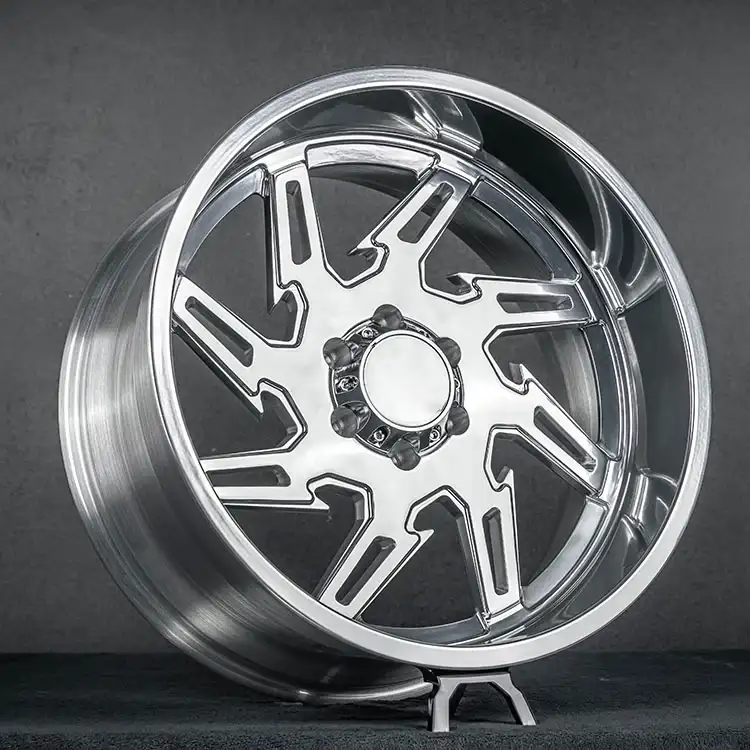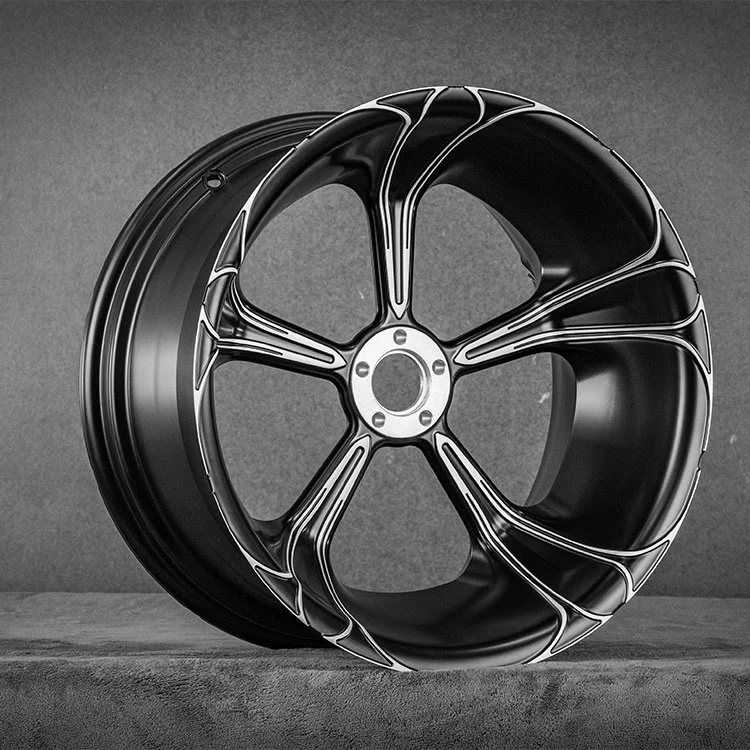
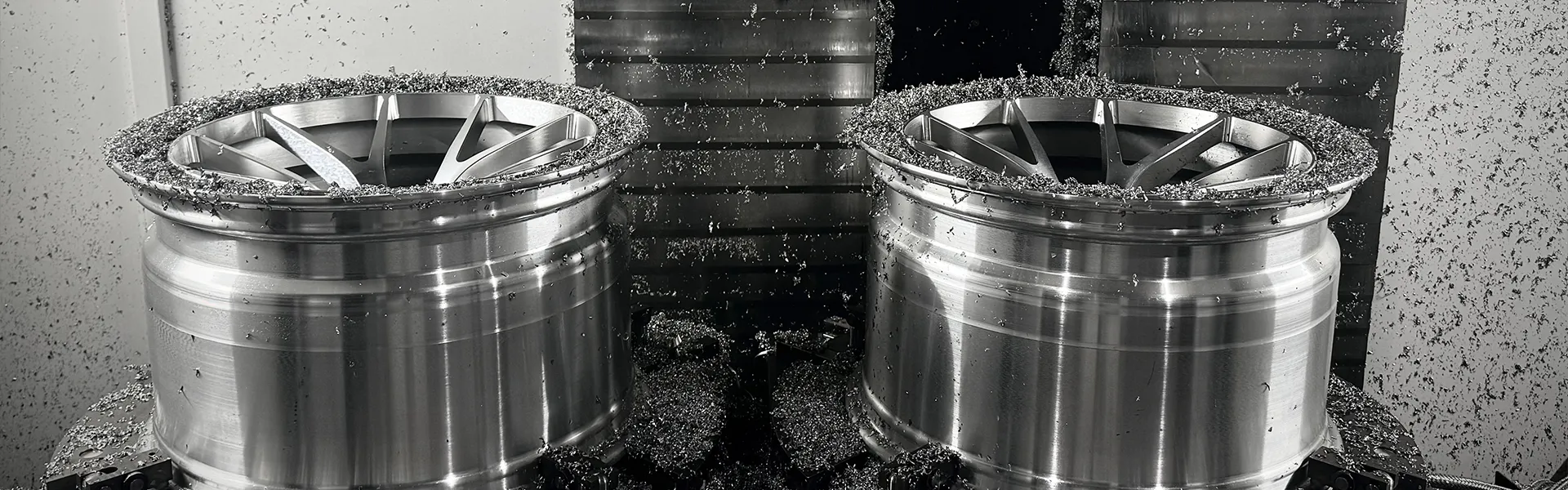
When riders shop for a Motorcycle Forged Wheel, they’re rarely chasing looks alone. Most are trying to fix something specific: vague steering feel, wheels that mark up too easily, vibration at speed, frequent rim repairs after potholes, or the constant worry that an unknown wheel source might cut corners. In this article, I’ll break down what forging changes in practical terms, where the performance differences show up, and how to avoid the most common (and expensive) buying mistakes: incorrect fitment, mismatched brake/ABS components, unclear load limits, and poor finishing that corrodes too fast.
You’ll also get a simple checklist you can send to a supplier, a comparison table you can use to evaluate options quickly, and a FAQ that answers the questions riders ask right before they click “buy.” The goal is straightforward: help you choose a Motorcycle Forged Wheel that fits correctly, lasts longer, and feels better every time you lean in.
Let’s be honest: a wheel upgrade usually starts with frustration. In my experience, riders look for a Motorcycle Forged Wheel when one (or more) of these issues keeps showing up:
A wheel isn’t just a cosmetic part. It’s a rotating safety component. If a supplier can’t answer basic questions about fitment, machining tolerances, or test methods, that’s not “mystery marketing”—that’s risk.

Forging starts with a solid metal billet that is shaped under high pressure into a dense structure before final machining. That process changes how the material behaves under repeated stress. In simple terms, forging is about controlled strength: the metal structure becomes more uniform and resistant to fatigue compared with many alternatives.
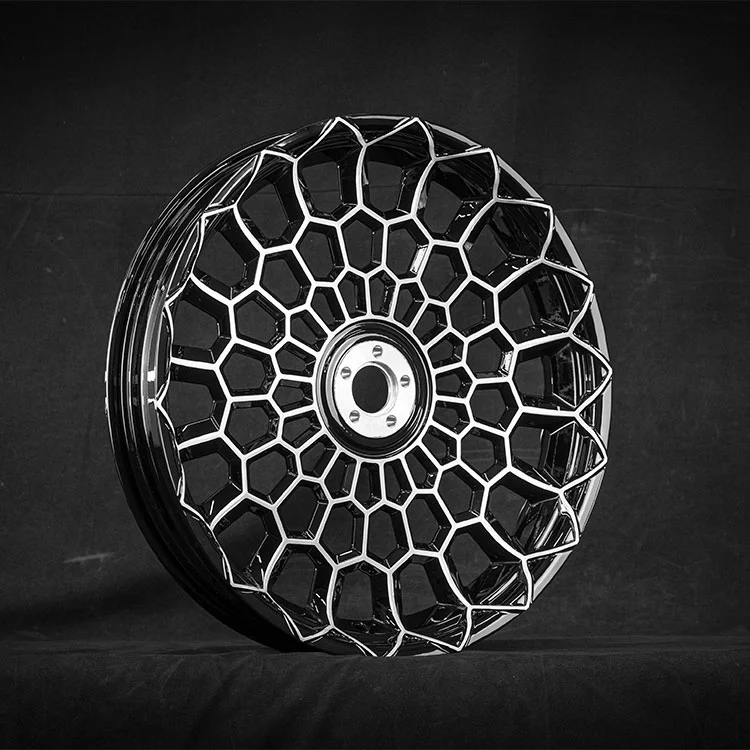
A Motorcycle Forged Wheel is typically finished with precision CNC machining, which matters for places you don’t see in photos: hub faces, rotor mounting surfaces, bearing seats, and alignment features that keep everything tracking straight.
Riders often ask me, “Will I actually feel it?” The honest answer: you feel it most when your riding includes fast transitions, heavy braking, bumpy roads, or high mileage. Here’s a practical view of what changes when you choose a Motorcycle Forged Wheel from a capable manufacturer.
| What you care about | What you may notice | Why it matters |
|---|---|---|
| Steering response | Cleaner turn-in and less “wandering” mid-corner | More predictable control when lines tighten unexpectedly |
| Stability at speed | Reduced shake and fewer “mystery vibrations” | Confidence on highways, bridges, and windy conditions |
| Braking feel | More consistent lever feedback and rotor alignment | Better modulation when you’re trail braking into a corner |
| Resistance to damage | Fewer bends, cracks, or recurring repairs after impacts | Lower long-term cost and fewer safety worries |
| Long-distance reliability | Finish durability and reduced corrosion issues | Less maintenance hassle, better resale value |
The “feel” isn’t only about weight. Hub accuracy, rotor mounting flatness, and bearing seat precision can decide whether your ride feels smooth—or like you’re chasing a vibration forever.
Fitment is where good purchases become great—and where bad purchases become expensive. A Motorcycle Forged Wheel should be matched to your bike’s geometry and components, not just its rim diameter. Use this checklist before you order:
| Fitment item | What can go wrong | How to verify |
|---|---|---|
| Offset | Handling feels off, tire rubs, chain line issues | Ask for a fitment drawing and confirm against OEM measurements |
| Rotor mount face | Brake drag, pulsing lever feel, uneven pad wear | Confirm mounting interface, bolt pattern, and face flatness standards |
| Bearing seats | Premature bearing wear, wobble, noise | Request tolerance info and confirm bearing part numbers |
| ABS ring | ABS errors or unpredictable intervention | Confirm sensor ring mounting and sensor-to-ring clearance |
| Rear sprocket carrier | Chain misalignment, accelerated drivetrain wear | Verify carrier dimensions and alignment reference |
Tip: If a supplier cannot provide a clear dimensional drawing, that’s a warning sign. Photos don’t prevent fitment headaches—numbers do.
It’s easy for any listing to say “forged” and show glossy photos. What separates a trustworthy Motorcycle Forged Wheel from a risky one is what happens behind the scenes:
If you’re the kind of buyer who wants clarity instead of guesswork, working with a manufacturer like Taizhou Yichi Technology Co., Ltd. can simplify the process: you can request drawings, confirm critical dimensions, and align on finish and customization choices before production. The right supplier won’t rush you past fitment questions—they’ll treat them like the main event.
The “worth it” question usually comes down to total cost, not the invoice price. Riders who benefit most are those who: commute daily, ride hard on imperfect roads, travel long distances, or push corners and braking on spirited rides. Here’s how to evaluate value without getting lost in hype:
If your current wheels are already high quality and your riding is mostly gentle, the difference may feel subtle. But if you’re constantly dealing with vibration, damage, or fitment compromises, a properly made Motorcycle Forged Wheel can be the “one upgrade that fixes five problems.”
If you want faster, clearer quotes, send this to your supplier (and keep a copy for your records). It reduces mistakes, speeds up production planning, and forces the important questions into the open.
Q: Will a Motorcycle Forged Wheel always be lighter than other wheels?
Not always. Design, width, and reinforcement choices matter. The real goal is smart strength placement and reliable precision. Ask for weight data for your exact sizes, not generic claims.
Q: Can I increase wheel width for a wider tire without problems?
Sometimes, but it’s not automatic. Wider setups can affect clearance, chain line, and handling geometry. Verify offsets, swingarm clearance, and fender clearance before committing.
Q: Do forged wheels reduce vibration by themselves?
They can help when hub accuracy and mounting surfaces are well-machined, but vibration can also come from tires, bearings, rotors, alignment, and suspension. A good wheel removes one major variable and makes diagnosis easier.
Q: What should I ask a supplier to prove the wheel fits my bike?
Request a drawing with key dimensions and confirm rotor mount details, bearing specs, axle compatibility, ABS ring provision, and offsets. If the supplier can’t provide a clear drawing, reconsider.
Q: Are custom finishes just cosmetic?
Finish quality can be protective, not just visual. Good coating helps with corrosion resistance and long-term appearance. Ask how the finish is applied and what prep steps are used before coating.
Q: What’s the safest way to install new wheels?
Follow your motorcycle manufacturer’s service guidance, confirm torque values, ensure correct spacer placement, check rotor alignment, verify ABS sensor behavior, and do a slow test ride before pushing speed or lean angle. If you’re not confident, use a professional mechanic.
A Motorcycle Forged Wheel is one of those upgrades that should make your bike feel sharper, safer, and more consistent—not introduce new problems. If you want help confirming fitment, selecting sizes, or choosing a finish that holds up, reach out to Taizhou Yichi Technology Co., Ltd. with your bike details and goals. We’ll help you narrow the options, avoid costly mistakes, and move forward with clarity—so when you ride, you’re focused on the road, not the parts.
Contact us today to get a tailored recommendation and a clear fitment plan for your next wheel set.